

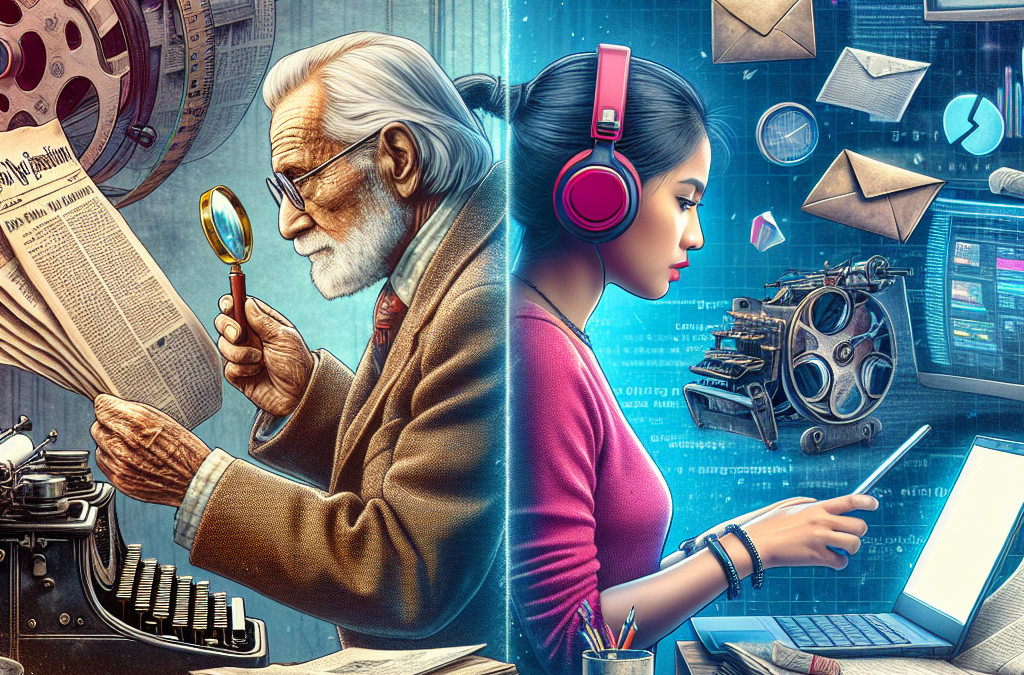
The world of communication has undergone a dramatic transformation over the past century, moving away from traditional newspapers and magazines toward digital screens and social media feeds. This transition—often referred to as the media evolution from print to pixels—has fundamentally changed the way we consume information, interact with content, and understand the world around us. What was once based on ink and paper has now evolved into a dynamic digital ecosystem powered by technology, interactive multimedia content, and global connectivity.
In this comprehensive guide, we explore the media evolution from print to pixels, how it has impacted industries, and why digital media will continue to dominate the future of communication.
The beginning of media evolution: The age of print
Before the advent of digital technology, print media served as the primary method of sharing information. Newspapers, books, and magazines shaped cultures, strengthened communities, and educated societies.
Why print media was so powerful
Print media retained its authority for centuries because:
- They provided verified, well-researched information.
- They offered tangible and credible sources.
- Newspapers enjoyed local relevance and the trust of the community.
- Books and magazines preserved history and knowledge.
- Literacy and education flourished through easily accessible printed materials.
Understanding these fundamentals is crucial to examining the evolution of media from print to pixels, as print laid the foundation for modern communication.
The rise of digital media: The first step toward pixels
The end of the 20th century marked the beginning of a new chapter in media history. With the spread of computers, television, and early digital networks, people began to turn to faster and more interactive forms of communication.
What triggered the shift from print to digital?
Several technological advances played an important role in initiating media development:
- The rise of personal computers
- The introduction of the internet
- Improvements in graphics and display technology
- The development of digital cameras
- The growth of online publishing platforms
These innovations accelerated the transition from print to pixels and led society toward a more interactive and demand-driven media environment.
The evolution of media from print to pixels: The rise of online news
The first signs of digital dominance appeared in the mid-1990s and early 2000s, when newspapers launched online editions. What began as simple website versions of print articles quickly evolved into real-time news portals.
Why online news gained the upper hand
Online news became an important milestone in the evolution of media from print to pixels due to the following factors:
- Instant updates replace the next-day printing cycle.
- Free access to breaking news.
- Multimedia coverage with videos, infographics, and animations.
- Faster global reach.
- Social media sharing increases engagement.
Readers no longer had to wait for the morning paper—they could get instant updates on their screens. This shift changed journalism and content distribution forever.
Social media: The game changer in the evolution of digital media
With platforms such as Facebook, YouTube, Twitter, Instagram, and TikTok, social media has accelerated the transition from print to pixels at an unprecedented pace. Social platforms enabled users to become creators, sharers, and commentators—something that was impossible in traditional print media.
How social media has reshaped media development
- News spreads within seconds.
- Content has become more visual and interactive.
- Opinions, trends, and conversations have shifted to the internet.
- Influencers have gained authority that was once reserved for journalists.
- Information has become democratized, but also more fragmented.
Social media played a crucial role in the evolution of media by shifting power from print media to digital communities.
Digital advertising took the lead: An important turning point in the development of the media
When readers moved to the internet, advertisers followed. Digital advertising soon surpassed print advertising, creating new sources of revenue and changing the media’s business model.
Why digital ads dominated
- Precise targeting of audiences
- Measurable performance
- Lower costs than traditional print media
- Global reach
- Support for multimedia formats
The rise of digital advertising further accelerated the evolution from print to pixels, forcing traditional publishers to rethink their strategies.
Multimedia content: The true power of pixels
One of the most significant differences in the evolution of media from print to pixels is the introduction of multimedia. Digital platforms allow content creators to combine text, video, audio, graphics, podcasts, and interactive elements into one experience.
Advantages of multimedia over print
- More engaging storytelling
- Higher user retention
- Easier processing of complex information
- Support for different learning styles
- Improved search engine optimization and shareability
Today’s audience prefers fast, engaging, and visually rich content—something that print alone cannot offer.
The rise of mobile media: pixels in every pocket
Smartphones have further revolutionized digital media. Mobile-first consumers now rely on screens for everything from news and entertainment to communication and learning.
Why mobile devices dominate the media landscape
- Round-the-clock access to information
- Content consumption on the go
- Mobile apps for news, videos, and social media
- Push notifications for instant updates
- Short-form content perfectly suited for mobile screens
The mobile revolution cemented the evolution of media from print to pixels, making digital media more personal and accessible than ever before.
Streaming platforms: Modern entertainment in the pixel age
With Netflix, YouTube, Disney+, and Spotify as the leading providers of digital entertainment, consumers no longer have to rely on physical DVDs, CDs, or television programs.
How streaming has reinvented the entertainment industry
- On-demand access to movies, series, and music
- Streaming giants’ own productions
- Worldwide availability of content
- AI-powered recommendations
- Subscription-based revenue models replacing advertising from the print era
Streaming is a prime example of how media development is expanding beyond text to include video and audio experiences.
AI and automation: The next stage of digital media development
With the advancement of artificial intelligence, digital media is entering a new era. AI tools are helping with content creation, personalized recommendations, moderation, trend predictions, and even automated journalism.
The role of AI in media transformation
- Automated news updates
- Personalized content feeds
- Enhanced analytics and advertising
- Advanced image and video editing
- Chatbots and virtual assistants
AI represents the next big leap in media evolution from print to pixels, paving the way for data-driven communication experiences.
Challenges in the transition from print to pixels
Although digital media offer countless advantages, this transition also brings challenges.
Important issues in the pixel age
- Information overload
- Increasing misinformation
- Decline of print newspapers and local journalism
- Privacy concerns
- Screen overload
These challenges underscore the importance of responsible use of digital media and balanced media habits.
The future of media: What comes after pixels?
As technology continues to evolve, the development of media will also continue beyond screens. Experts predict that new formats and immersive experiences could completely replace traditional digital displays.
Future trends
- Augmented reality (AR) news overlays
- Virtual reality (VR) storytelling
- Holographic communication
- Voice-activated content
- Screenless wearable devices
The journey from print to pixels is just the beginning of a much larger transformation.
Conclusion: The media evolution from print to pixels is shaping the future
The media evolution from print to pixels has fundamentally changed the way we communicate, consume information, and connect with the world. From traditional newspapers to mobile apps, from magazines to streaming services, and from ink to interactive pixels, this transformation has reshaped industries and lifestyles.
As technology advances, this development will only accelerate, making digital media the dominant force in modern communication. Understanding this transformation helps individuals, businesses, and creatives adapt to and succeed in an ever-changing digital landscape.
